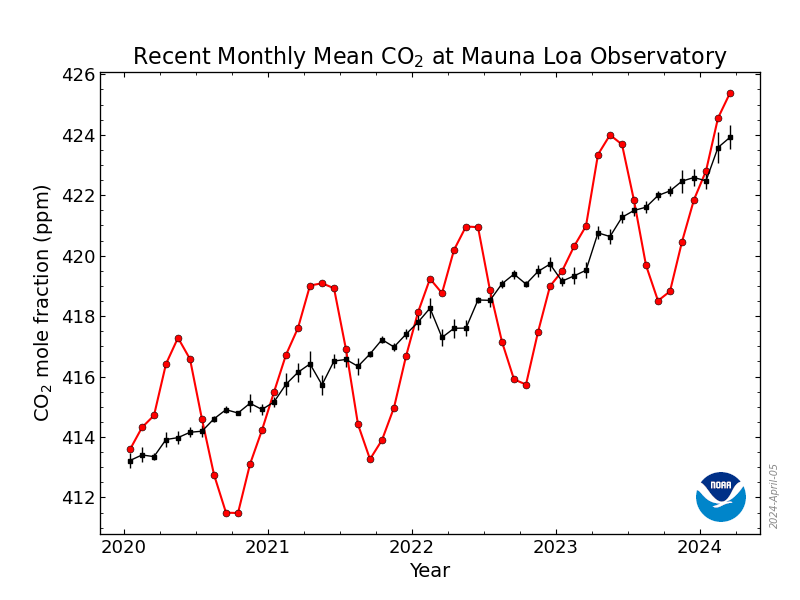
1. The rainforest is useful for many things, the most important of these in my eyes in being a carbon sink. As we live in a world of rising carbon dioxide levels and increasing temperatures as a result if there is anything that can slow down or offset that increase we must, in my opinion seek to protect it. It is quite disconcerting that the Amazon rainforest, described as the "lungs of the planet" may in future years contribute towards carbon levels rather than help to decrease them.
 |
| Source here |
3. The climate and the rainforest are intertwined. This has been seen through both the post on climate in general and the one on fire. Rainforests are located where they are because of certain conditions being just right. Under anthropogenic climate change, if one of these changes, the whole system could fall out of balance. The Hadley Centre Model of the UK Met Office shows the Amazon rainforest dying out by 2080 (link). Droughts leading to more frequent forest fires are also more likely to occur in future years.
I am aware that a large proportion of the case studies mentioned in this blog were on the Amazon rainforest in particular. However, I feel that this created a more focused feel as the topic areas which I could have covered were so vast. It would be most interesting to look at other land use changes that have been occurring in other areas of the world. In particular any changes from rainforest to urban environments.
That's all for now.

No comments:
Post a Comment