Saturday, 10 January 2015

Signing off

So as I write my final blog post let us consider what we have learnt so far.

1. The rainforest is useful for many things, the most important of these in my eyes in being a carbon sink. As we live in a world of rising carbon dioxide levels and increasing temperatures as a result if there is anything that can slow down or offset that increase we must, in my opinion seek to protect it. It is quite disconcerting that the Amazon rainforest, described as the "lungs of the planet" may in future years contribute towards carbon levels rather than help to decrease them.
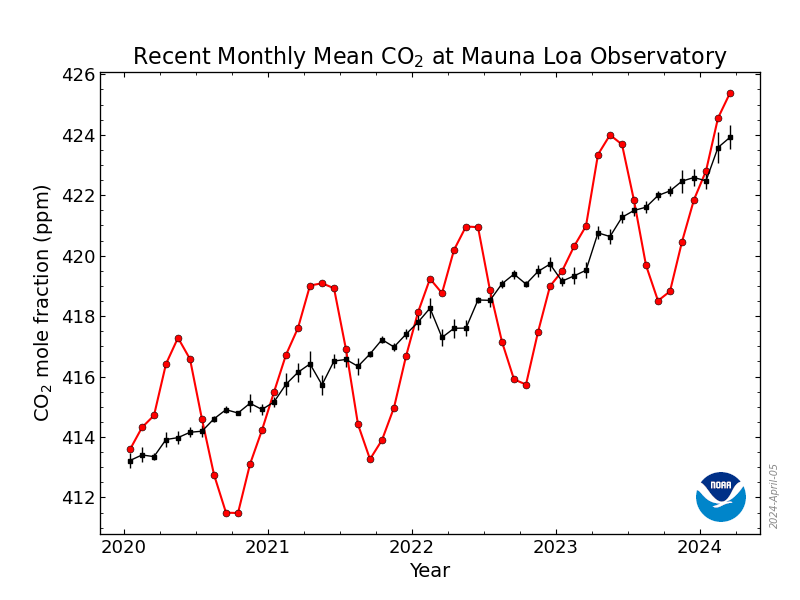
Source here
2. Land use change is a huge threat to biodiversity. As seen in earlier posts land use change through loss of habitat has had a negative effect on the biodiversity of rainforests. Additionally, this change has occurred quickly making the situation worse. However, there are potential solutions, the most promising of which is REDD which aims to create financial value for the carbon that is stored in forests. Furthermore, REDD+ includes the role of conservation and sustainable management (UN, 2014). As this is a relatively new scheme by the UN it will be very interesting to see whether it succeeds or not.

 3. The climate and the rainforest are intertwined. This has been seen through both the post on climate in general and the one on fire. Rainforests are located where they are because of certain conditions being just right. Under anthropogenic climate change, if one of these changes, the whole system could fall out of balance. The Hadley Centre Model of the UK Met Office shows the Amazon rainforest dying out by 2080 (link). Droughts leading to more frequent forest fires are also more likely to occur in future years.

I am aware that a large proportion of the case studies mentioned in this blog were on the Amazon rainforest in particular. However, I feel that this created a more focused feel as the topic areas which I could have covered were so vast. It would be most interesting to look at other land use changes that have been occurring in other areas of the world. In particular any changes from rainforest to urban environments.

That's all for now.

Friday, 2 January 2015

The rainforest is quite useful you know - Part 3

Ok, this one might not be something you expected.

The rainforest is also quite useful as a home.

People have been living in the world's major rainforests for thousands of years and they are almost certainly the only places where any "uncontacted" groups of people may be dwelling. One statistic states that over 50 million people live in the world's tropical forests.

Dufour (1990) and Jonkers and Foahom (1992) provide studies that imply that natives of the regions of Brazil and Cameroon respectively have been living in harmony with nature for thousands of years (as naive as that may sound). It is however, not as simple as it sounds, with many native groups having advanced agricultural systems within the rainforest whilst still keeping it's "natural" state. Dufour even states that what we may we as natural forest may in fact be the result of centuries of use for agriculture. Few would find it easy to argue that these native people do not treat the environment in which they live with respect and many were satisfied to live in the same way even with recent advancements in technology (Dufour, 1990).
The Huli from Papua New Guinea
more information found here

Pygmies from Central Africa
The Yanomami from South America


Perhaps, we can learn something from these people in terms of how to treat the rainforest in order to keep it in the aesthetically pleasing way we so desire.

That's all for now.